About Us
Celebrating 50 years
Travel made easy for all
“Travel made easy for all” is our vision for the agency. Our Mission is, “We help people get from where they are to where they want to be.” Our Core Values guide and inform our work and decisions to help us toward our mission and vision.

Do business with us
We offer a wide range of business opportunities. We post them on our Vendor Portal, which is free to register for and to access.

Work with us
Join us as we help shape the future of transit in your community. We're hiring bus drivers, mechanics, and various administrative, planning, facilities, and customer service roles.

Advertise with us
Our buses offer opportunities to promote your business throughout Snohomish County. Contact: Kevin Haskell, Lamar Transit Advertising, at khaskell@lamar.com or (415) 866-0261.
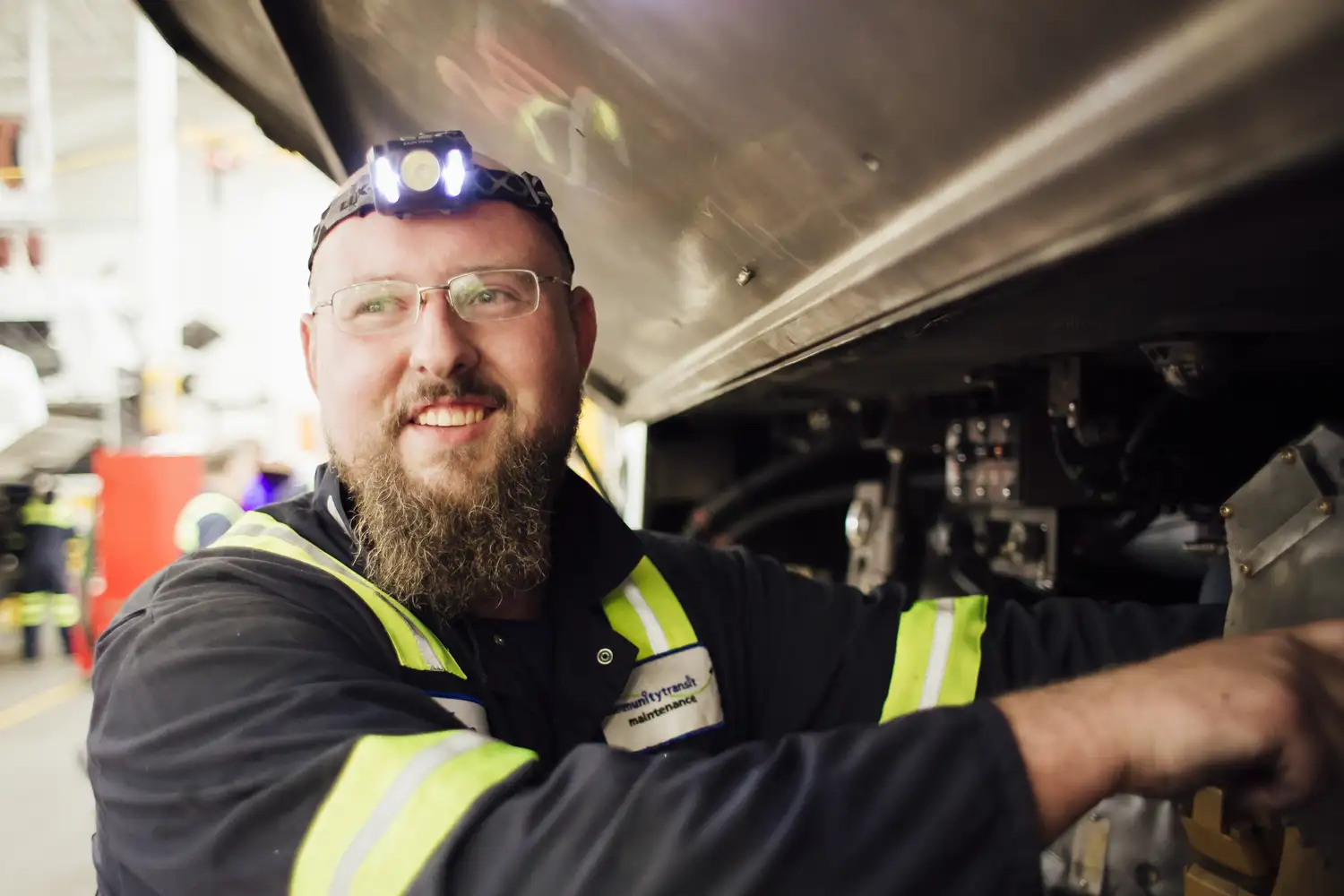
Now hiring diesel mechanics
Earn $54.93 per hour, excellent benefits, and a $5,000 sign-on bonus!
Get to know us

50th anniversary
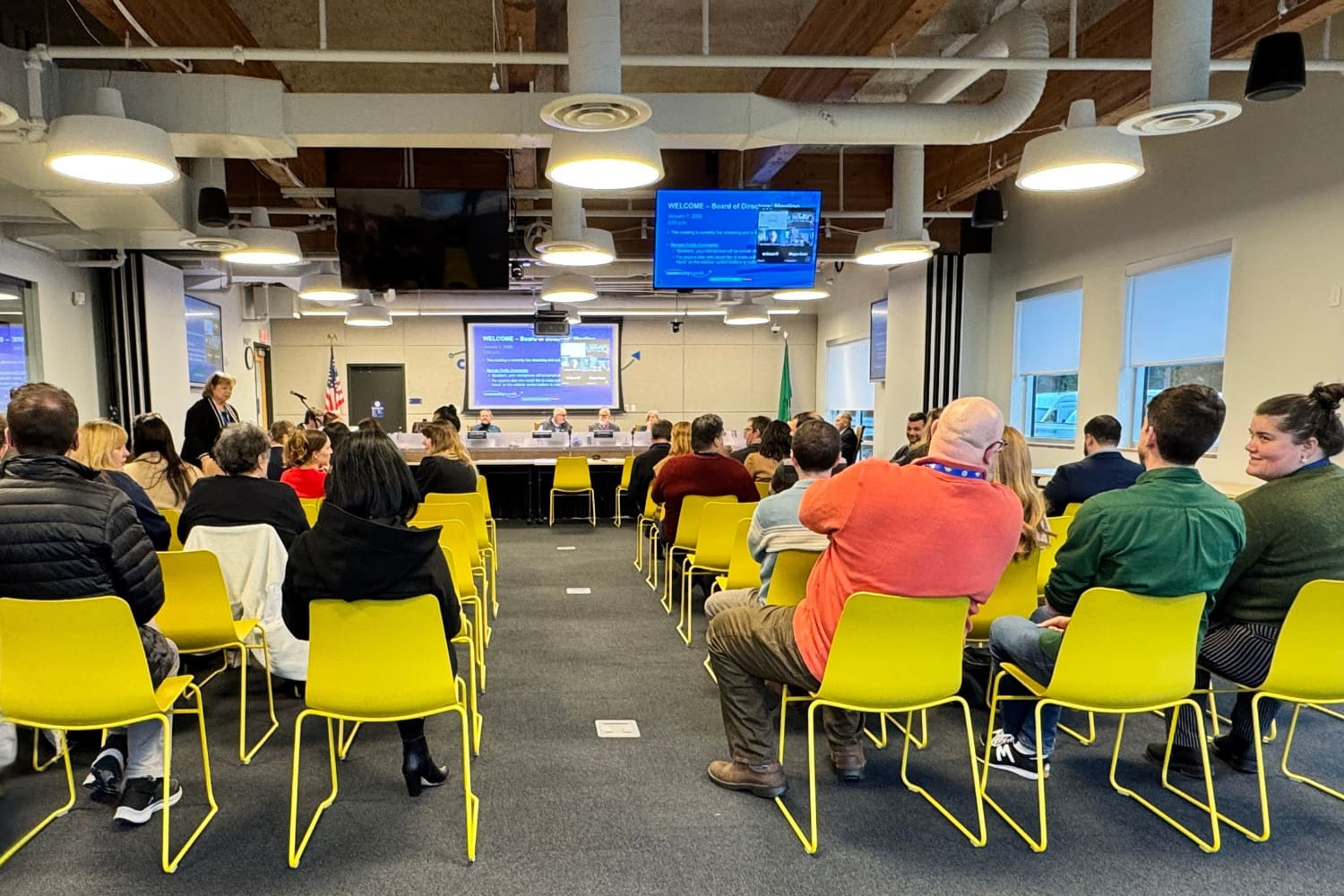
Join us as we celebrate our 50th anniversary in 2026 with a look back at our history and visit us at a number of events in the region throughout the year.

Our history
Look back on some of the major milestones in Community Transit's 50-year history—from early service and expansion to major investments that continue to shape how people travel today.

Our projects
Behind every Swift station, route, or service, there is a project. Others are a collaboration with Snohomish County, Sound Transit, King County Metro, or one of the cities we serve in our service area.

That Transit Show
Go behind the scenes of Community Transit with our monthly web series featuring interviews with employees from around our agency.

Our communities
True to our name, we are proud to provide transportation to our community, made up of cities throughout Snohomish County.

Our future
Community Transit is planning for the future now. We regularly update our plans that guide the agency's vision and long term priorities.
Mission, Vision, and Core Values

Core Values
Describe how we approach our work.

Mission
We help people get from where they are to where they want to be.

Vision
Travel made easy for all.
Core Values
Describe how we approach our work.
Our core values apply both internally and externally, guiding how we treat each other and how we interact with our customers, partners, vendors, and our community. They provide clear guidance and represent what we should expect of ourselves as well as our colleagues:
- Accountability: We hold ourselves and each other accountable and we encourage and support each other when needed.
- Diversity, Equity & Inclusion: We align our policies, practices, and resources so everyone has genuine opportunities to fully participate and thrive.
- Initiative: We consistently look for opportunities to go beyond the status quo and are committed to ongoing learning and development.
- Integrity: We believe in always doing the right thing for the right reasons and being honest with each other to continue to build and maintain trust.
- Mutual Respect: We respect, value, and celebrate each other and our customers as unique individuals with equal worth.
- Service-Focused: All that we do is in service to our community, our customers, and each other.
- Teamwork: We believe in the power of collaboration to harness the true potential of our collective team.
News
See more News-
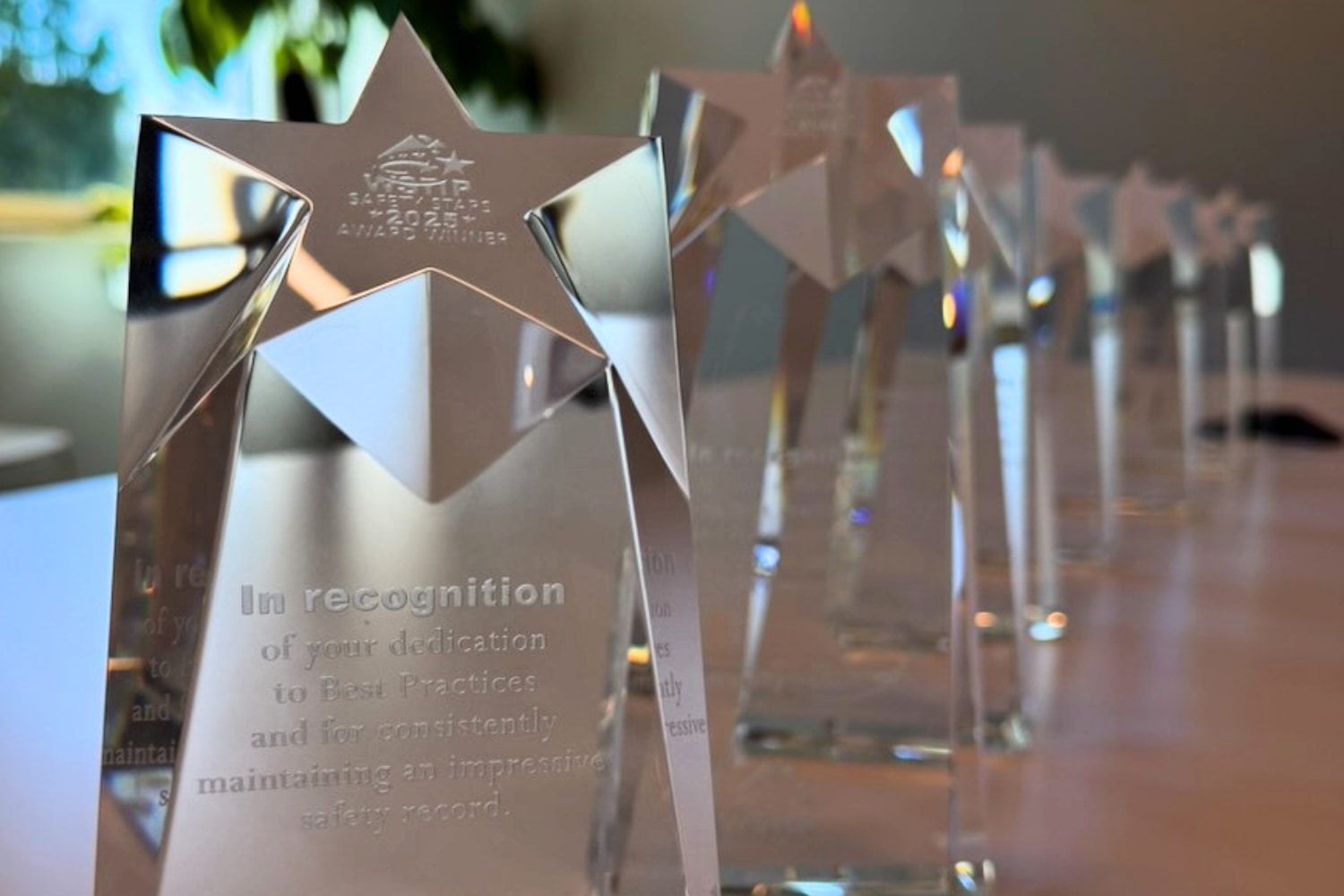
Community Transit Wins Safety Award for Eighth Year
Washington State Transit Insurance Pool honors Community Transit with its highest safety awardRead more -
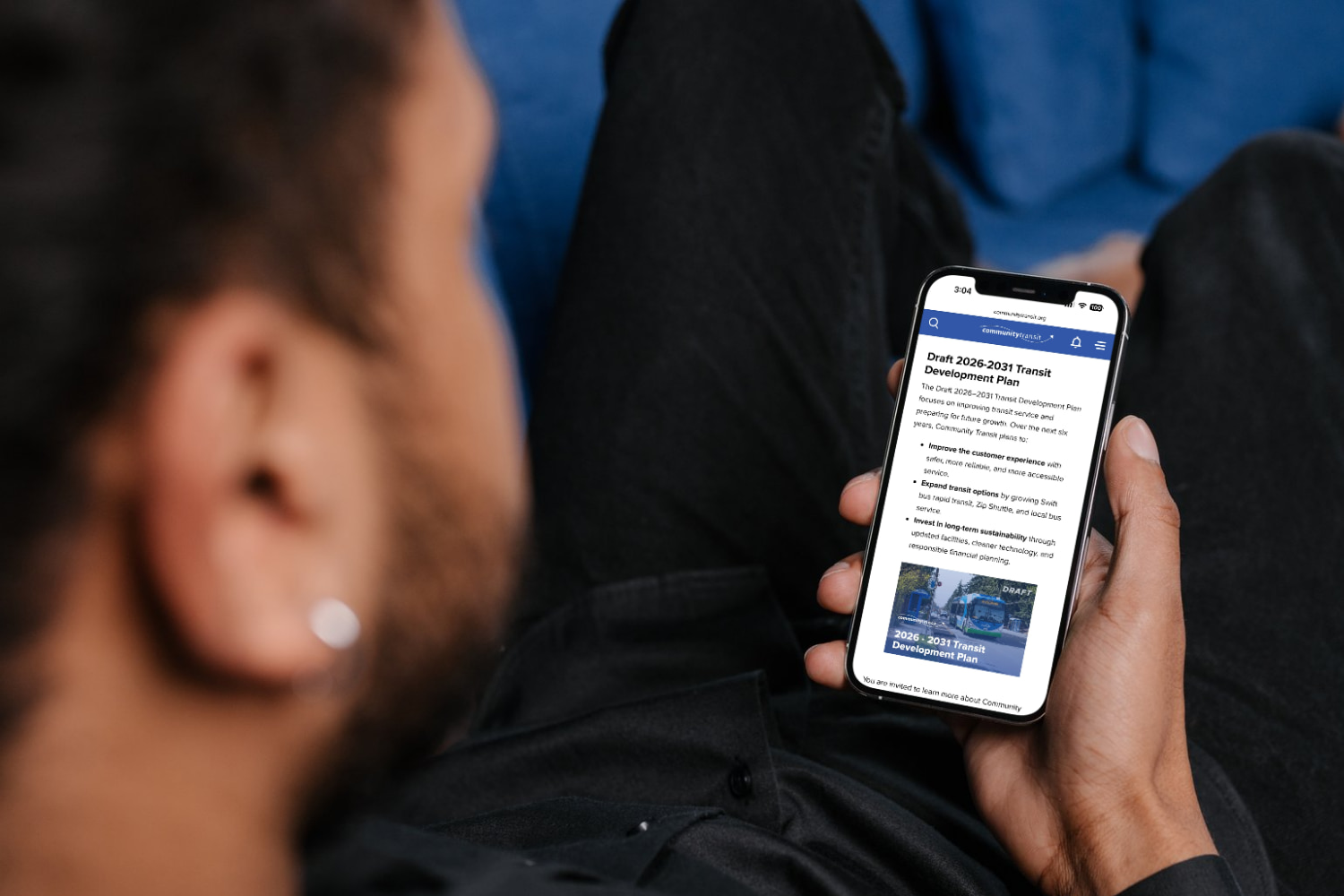
Give your input on Transit Development Plan for a chance to win $200
Take the survey for a chance to win a $200 gift card and learn about plans for expanded serviceRead more -