

Giving love to our pollinator friends on World Bee Day
Learn more about how we celebrated by planting a garden

At Community Transit, we take sustainability seriously. We say that Earth Day is every day since we work to provide options for people to get out of single-occupant vehicles and reduce pollution.
For Earth Month in April, we hosted educational events, litter cleanups near our campuses, and more as a part of our ongoing commitment to sustainability and protecting our environment.
To cap off Earth Month, employees planted a small pollinator garden at our headquarters to serve as a pollinator pathway for bees on our campus.
Much like our buses connecting people to where they need to be, pollinator gardens help bees travel from place to place by providing important stops along the way for nectar and pollen. We like to think we created a bus stop just for bees, expanding their very own BRT: Bee Rapid Transit network.
Pollinator gardens are easy to maintain and can make a meaningful impact on local pollinators, including bees, butterflies, and hummingbirds. These spaces help support healthy ecosystems and create habitat for pollinators to not only survive, but thrive.
Our pollinator garden was inspired by the gardens at UW Bothell/Cascadia College and Feriton Spur Gardens in Kirkland.
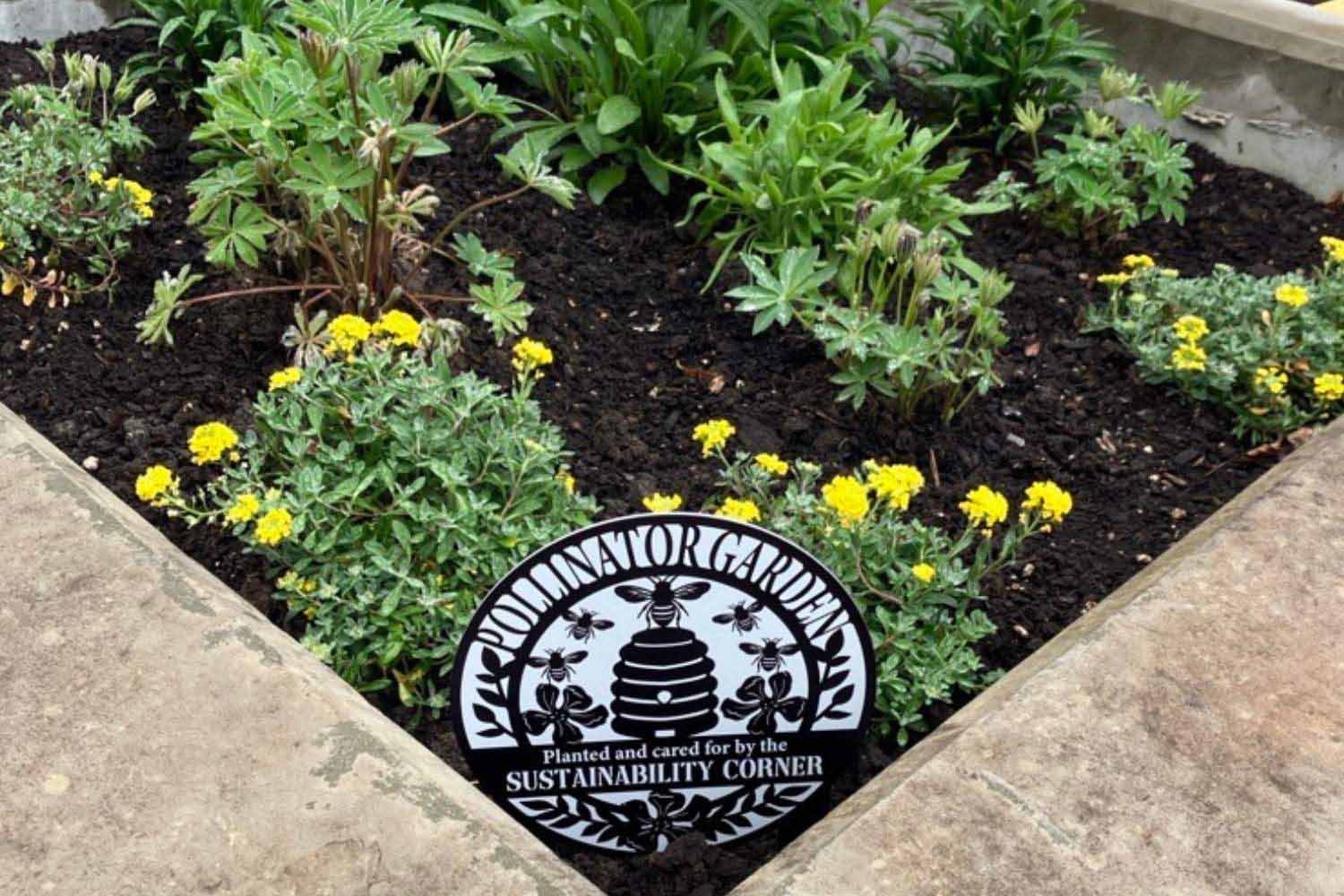
Our pollinator garden, planted by Community Transit's sustainability volunteer group
Use our Plan My Trip tool to visit the gardens using transit.
Want to create your own pollinator garden?
Pollinator gardens are intentionally designed with the types of plants that attract bees and other pollinators.Here’s what we planted to get you started:
You can find these plants and flowers at most local plant nurseries or garden centers.
If planting a garden isn’t an option, you can still help pollinators by mowing your lawn less frequently during the spring and summer. This helps protect ground-nesting bee habitat and allows more flowers to bloom, providing additional food sources for pollinators.
Follow along with our sustainability journey and learn more about how Community Transit became the first Salmon-Safe Certified transit agency.